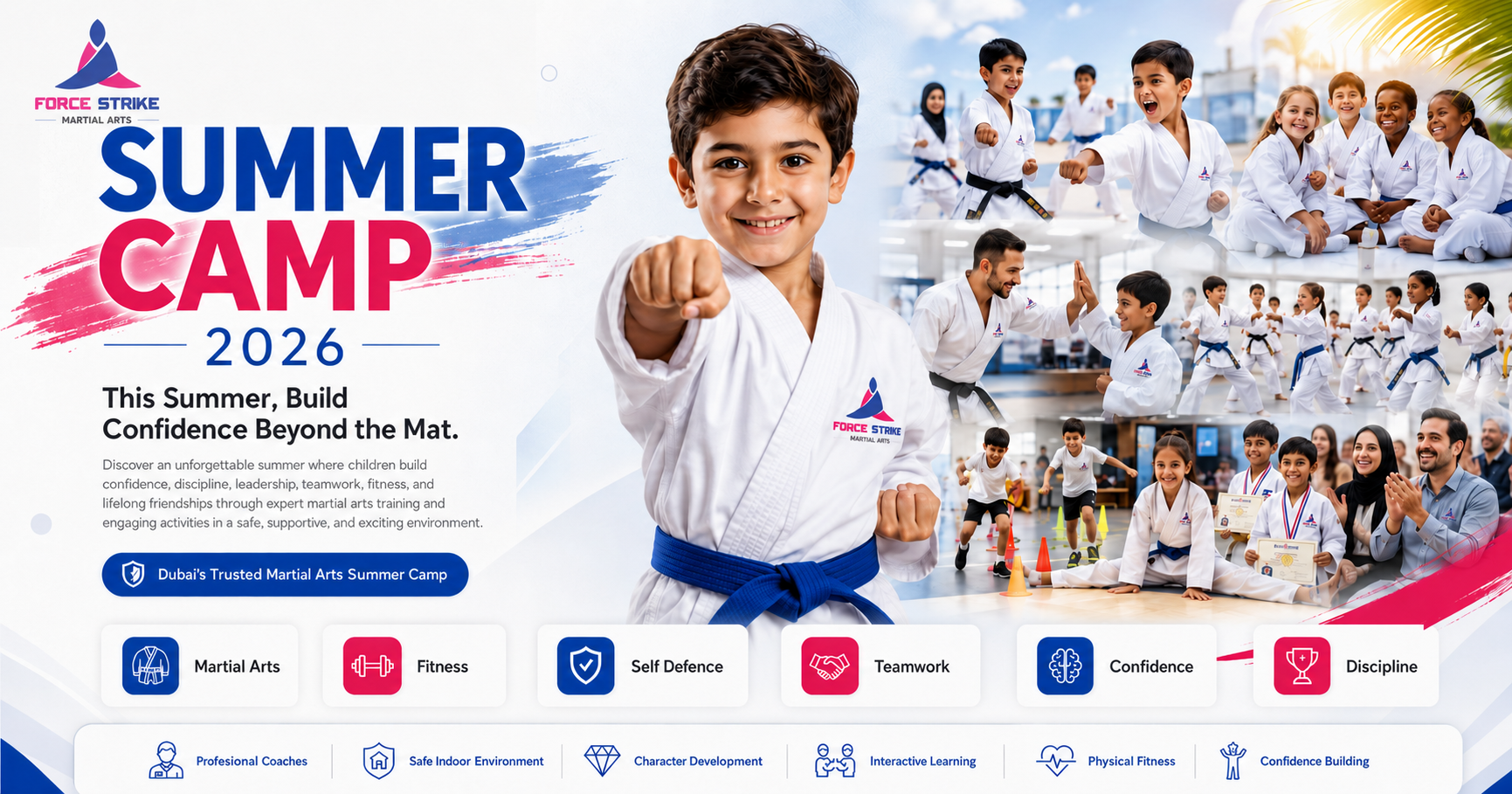


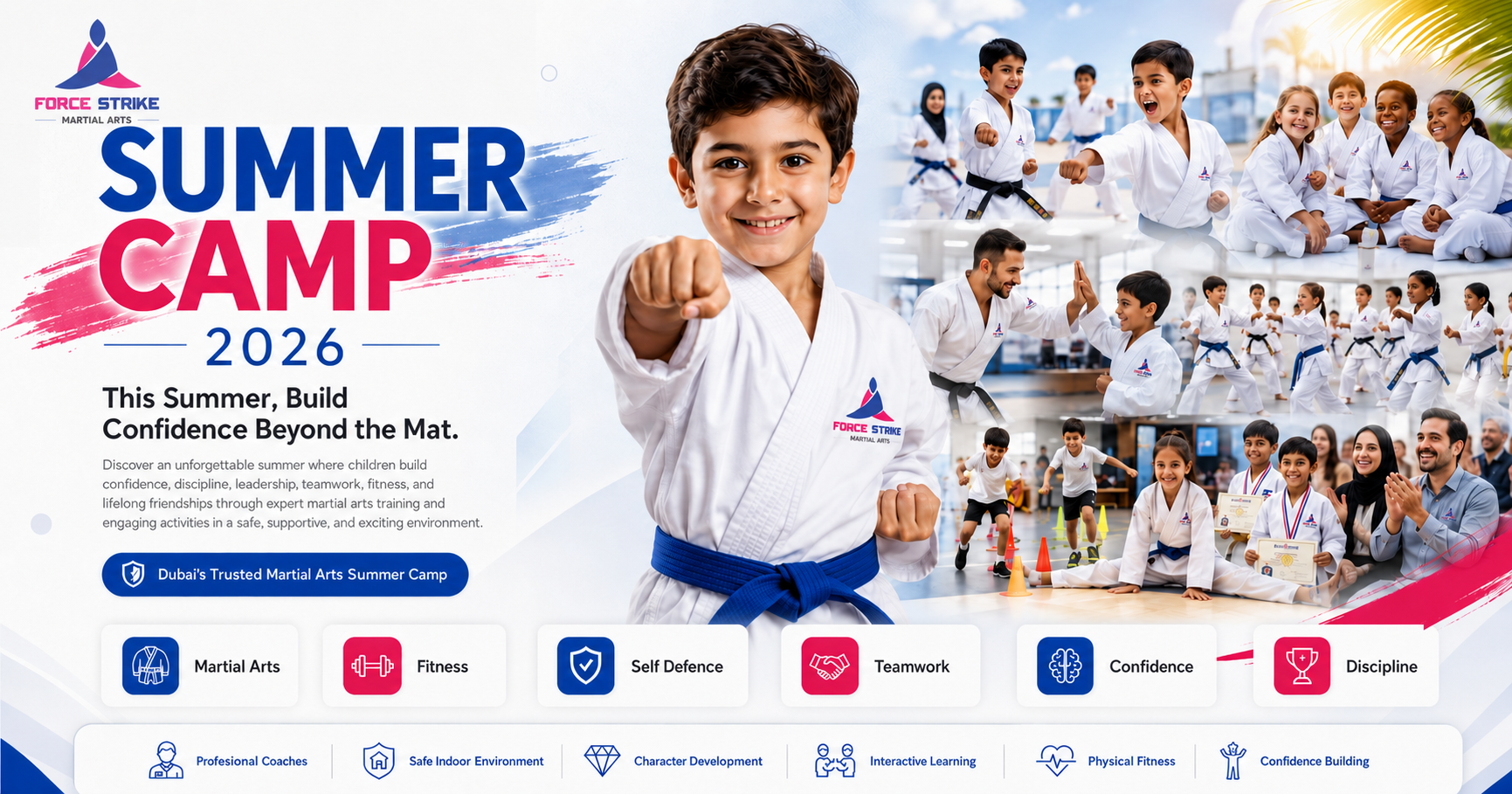
Once summer vacation rolls around, parents often tend to repeat the same query: How to engage, educate, and de-screene my child? Vacation times are supposed to be a time for rest and relaxation, but they are also a valuable time for kids to develop new skills, make new friends, and discover new interests they may not get to try during the school year.
A Summer Camp 2026 can be more than a summer activity, it can be a great deal. Provides children with a safe and structured environment to be physically active, to be confident, to communicate and to learn hands-on. Kids aren't confined to the house for weeks with their phones, tablets or televisions—they're engaged in creative, teamwork and personal growth activities.
These parents are increasingly seeking camps to provide fun alongside learning and not entertainment alone in Dubai. Programs that incorporate sports, creative activities, fitness and character-building activities are becoming the preferred programs as they help children to be a whole child.
This guide covers the reasons why summer camps are still popular, the benefits children will receive from attending a summer camp, and how to select the right summer camp for your child.
While school helps to develop academic skills, many life skills develop outside of the classroom. Children are provided the opportunity to try their hand at new challenges through summer camp without any pressure of exams or homework.
They develop problem solving, communication, routine and independence skills. Children gain confidence from these experiences which can be transferred to the school and everyday world.
Parents also value good structure in a camp, in terms of the balance between learning and recreation. Children stay involved and have fun with activities that are not repetitive.
With the advent of technology, people have become accustomed to using it daily, but too much time on devices can take the place of physical activity and face-to-face interaction.
The main advantage of summer camp is that it lessens the need for screen time, as children are kept busy all day. They don't scroll through social media or play video games, but instead, they engage in sports, creative activities, group challenges, and outdoor activities.
After a few weeks many parents will see positive changes. Children are more active, more expressive, and have better health habits.
Confidence doesn't develop overnight. It grows when children try something unfamiliar, overcome small challenges, and realize they are capable of more than they expected.
At summer camp, children may:
Every small success helps build self-belief.
Some children arrive shy and hesitant during the first week but gradually become more comfortable participating in activities and making new friends.
Long school breaks often lead to less physical activity.
Without a daily routine, children may spend more time indoors, sleep irregularly, and become less active overall.
A quality summer camp keeps movement part of the day through structured exercise, games, and sports.
Activities may include:
Regular movement supports physical health while also improving concentration and energy levels.
Routines work well with children if they are interesting.
Simple day to day schedules are introduced in summer camps, promoting responsibility without feeling constraining.
Children learn to:
These activities are likely to persist after camp, helping make the transition to school smoother.
It is as vital to have a creative expression as it is to have a physical expression.
Art & Craft sessions are also offered in many camps and involve painting, drawing, handmade projects and creative problem solving tasks.
Creative activities help children:
Children like taking home projects which they have made themselves, and feel good about the achievement.
A major false perception about martial arts is that they only involve fighting.
In fact, martial arts training is structured with the focus on respect, discipline, patience, focus and self-control.
Children who participate in karate classes often improve:
Progress is gradual and improvement is through practice, not competition.
There are sports challenges that are now being incorporated in many summer camps that challenge both the body and the mind.
For instance, Kickboxing sessions enhance children's coordination, balance and fitness and they learn controlled movement in a safe environment.
Like that, Jiu-Jitsu also teaches problem solving skills in less aggressive ways than brute force, which helps children to think clearly when under stress.
These activities are made fun for children to learn discipline.
Good habits learned in childhood can carry over to adulthood.
Children are no longer just "supposed" to exercise; they see the activity as a pleasant thing to do.
Many camps include age-appropriate Fitness sessions that focus on:
The emphasis remains on participation and improvement rather than competition.
Social development is one of the greatest advantages of summer camp.
Children are introduced to each other from various schools, backgrounds and communities.
As they work together in activities they are helped to:
Friends formed at summer camp can last a lifetime for many parents.
Other children take longer to feel at ease in new settings.
They are able to enjoy the camp without pressure in a supportive camp.
Children who are quiet are gradually given greater confidence through small group activities, creative workshops and instruction.
Some parents are amazed at how their children respond to the prospect of playing games or speaking confidently after a number of weeks at camp.
He doesn't have to be the loudest kid in the room to be a leader.
Children are encouraged to be responsible and thus demonstrate leadership in summer camps.
Older campers can have the opportunity to support younger campers in activities or to lead smaller groups or to support instructors in games.
They are gaining experience in working responsibly, in making decisions and in cooperating.
Learning is often more effective when kids are not aware they are learning.
Games can teach:
This learning style helps to maintain children's interest without the school atmosphere.
Children's parents select structured camps because they have more than just childcare.
They provide:
This is a reassuring choice for families on the job in Dubai and provides kids with an enjoyable vacation.
All children have their own interests.
Before parents register, they should take into account:
Coaches are knowledgeable about how to conduct activities with various age groups and make them safe and fun.
Ideal camps are the ones which take the entire sport, creative, learning and recreational aspect of the camp into consideration rather than just one.
It is always important to have age appropriate equipment, proper supervision and clean facilities.
Children are more likely to be given personal attention in smaller groups.
Participation is encouraged in a supportive environment without unnecessary pressure.
Several parents seeking Best Martial Arts in Arjan Dubai are not just interested in sporting coaching.
They wish for a place where children are made confident, disciplined, friends and develop healthy habits in a positive atmosphere.
As part of the Forcestrike Martial Arts summer programs, kids are encouraged to think creatively, learn to work cooperatively with group members, and become aware of themselves as they use their bodies to learn about the martial arts.
Children are kept active all day and are taught practical skills that they will be able to use in school, sport and everyday life.
The academy values continuous improvement, respect and enjoyment of learning as well as competition.
Much of the value of summer camp is not in the number of games played or certificates earned.
The most significant changes tend to show up several months after.
Children often return to school:
These are qualities that continue supporting them long after the holidays have ended.
A terrific summer camp is more than just a way to pass the time while the school is out. It provides them with chances to develop, learn and gain confidence in things that they enjoy.
The appropriate program promotes physical activity, creativity, teamwork, discipline and independence while providing children a safe and supportive setting to enjoy themselves.
When parents are planning school holidays, going on a well-structured summer camp is one of the biggest factors that could shape their child's development. What the students learn during those weeks can last long after the summer has ended.
What is the ideal age for joining a summer camp?
Most summer camps welcome children from around 4 or 5 years old, with activities designed for different age groups.
What activities are included in a summer camp?
Programs often include martial arts, sports, creative workshops, fitness sessions, team games, and indoor activities.
How does summer camp help children?
It improves confidence, communication, physical fitness, discipline, teamwork, and problem-solving skills.
Is summer camp suitable for shy children?
Yes. A supportive environment helps shy children build confidence, make friends, and participate comfortably.
Do children need previous martial arts experience?
No. Most camps welcome complete beginners and adjust activities according to each child's age and ability.
What should children bring to summer camp?
Comfortable sports clothing, a water bottle, healthy snacks if required, and a positive attitude are usually all that's needed.
Why should parents choose a structured summer camp?
Structured programs provide safe supervision, engaging activities, skill development, and healthy daily routines that keep children active throughout the holidays.
.jpg (1).jpeg)

.jpg.jpeg)
.jpeg)