

Ask anyone who's been kickboxing training for six months what they think of it, and you'll get a pretty consistent answer. They wish they'd started earlier.
That's not a marketing line. It's just what happens when people find a training format that actually works — for fitness, for stress, for feeling capable in their own body. Kickboxing gyms in Dubai have seen this pattern play out enough times to know it well. Someone walks in skeptical, tries a few sessions, and quietly becomes one of those people who shows up three times a week without needing to be motivated.
This guide breaks down what kickboxing actually does for you — physically, mentally, practically — and what's worth knowing before you start.
Most people picture competitive fights. Full contact, mouthguards, someone getting knocked out. That's one version of kickboxing — and it's a small fraction of who actually trains.
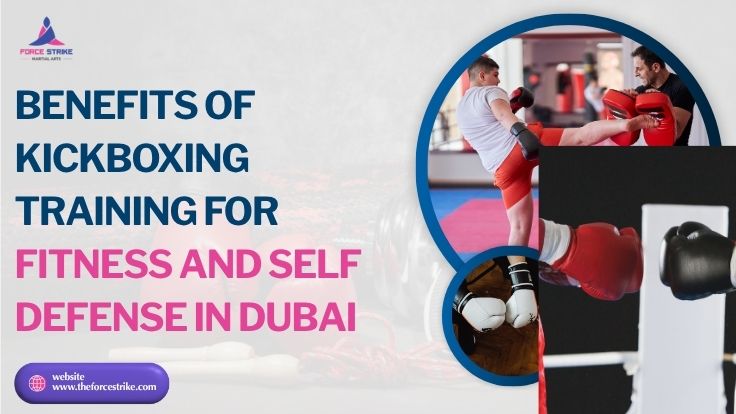
In practice, kickboxing is a striking-based discipline combining punches from boxing with kicks drawn from Muay Thai and karate. A standard class in Dubai runs through combinations on bags or pads, movement and defence drills, and conditioning work. You're learning real technique throughout. Fitness builds around that.
Sparring — if it happens at all — is optional, introduced gradually, and nowhere near a beginner class. Most regular practitioners never spar and get everything they want from technical and fitness training alone. That's worth saying clearly because it's what stops a lot of people from trying.
Dubai's fitness scene is genuinely well-developed. Good gyms, serious infrastructure, people who take their training seriously. But the climate creates a real constraint — outdoor training disappears for several months a year. Kickboxing is entirely indoor, session-based, and structured. It fits the way people here actually live.
There's also the self-defence dimension, which resonates more in an international city than it might elsewhere. Dubai is safe. But it's big, transient, and far from home for most of its residents. Physical confidence — the grounded, practical kind — is something people here think about. Kickboxing classes in Dubai build that alongside the fitness, without needing to choose between the two.
A kickboxing session burns somewhere between 500 and 800 calories depending on intensity and the individual. Cardiovascular fitness, muscular endurance, core strength, coordination, flexibility — all develop simultaneously. It's a genuinely complete workout in a way that isolated gym training isn't.
What makes the difference practically is that fitness develops as a byproduct of learning skills. You're not staring at a number on a treadmill. You're working on a combination, trying to get the footwork right, reacting to pad calls. The effort is real but the attention is elsewhere. Most people who switch to kickboxing from conventional gym sessions notice they stop watching the clock.
This is where kickboxing earns something that pure fitness formats don't offer. The striking skills — how to generate power from correct mechanics, how to move defensively, how to manage distance in a confrontation — are practically applicable. Not in an overblown action movie sense. In the real sense that trained people carry themselves differently and respond to threatening situations more effectively.
For a lot of Dubai residents, that knowledge matters. Not because they expect to use it, but because having it changes something about how they move through the world.
This one surprises people. Kickboxing requires complete mental presence. You genuinely cannot think about a work problem while running a combination correctly — the focus required pushes everything else out. That enforced mental clearing is one of the most consistently mentioned benefits among regular practitioners.
In a city where professional pressure runs high and the pace doesn't let up, an hour where your mind has no choice but to be somewhere else is worth more than people expect before they experience it.
There's a difference between being told you're doing well and actually knowing you can do something. Six months of consistent kickboxing training produces the second kind of confidence. Students know they can move, strike, and defend themselves. That knowledge shows up in how they carry themselves — not aggressively, just with more assurance. People who know them tend to notice the change before they can fully articulate what's different.
Kickboxing for kids has grown significantly across Dubai. Parents are choosing it for the same reasons they choose MMA for children — discipline, focus, emotional regulation, physical confidence. The self-defence awareness that develops through training changes how children handle peer conflict, not through fighting but through the self-assurance that comes from genuine capability.
What matters when choosing kickboxing schools for children is the coach specifically. Technical martial arts knowledge and genuine skill with children are different qualifications. Watch a junior class before committing. Does the coach have the kids engaged? Is the environment structured but warm? Those two hours a week have a meaningful impact if the coaching is right.
Kickboxing vs. standard gym training — the gym builds isolated strength and cardiovascular fitness. Kickboxing builds those plus coordination, practical skills, and mental engagement. Most people find it more sustainable long-term because there's always something to improve.
Kickboxing vs. Muay Thai — significant overlap. Muay Thai adds elbows, knees, and clinch work. Most kickboxing classes in Dubai incorporate Muay Thai elements anyway. The distinction matters mainly at a competitive level.
Kickboxing vs. MMA — MMA adds grappling and ground work. Kickboxing is more accessible for people specifically interested in striking without the broader complexity of mixed martial arts. Neither is better — depends on what you're looking for.
Kickboxing vs. yoga or pilates — these complement rather than compete. Flexibility and body awareness developed through yoga actually improve kickboxing performance. Many regular kickboxers train both.
Getting winded. Kickboxing is cardiovascularly demanding and most beginners struggle in the first few weeks. This is universal and it resolves faster than people expect. Consistent attendance is the only solution.
Coordination takes time. Combining punches and kicks into smooth combinations is a skill that feels awkward for weeks before it starts clicking. The awkward phase is normal. Every experienced practitioner went through it.
Finding the right gym. Not all kickboxing classes near me deliver the same quality. Coaching varies considerably. A poor early experience with weak instruction can put someone off something they'd have stayed with under better coaching. Trial sessions exist for this reason — use them.
Rushing past the fundamentals. The combinations that look impressive are built on stance, guard, weight transfer, and basic strikes done correctly. People who skip that foundation build on unstable ground and plateau faster.
Training too hard too early. Three sessions a week is enough to start. Overtraining in the first month leads to the kind of soreness and fatigue that discourages people from coming back. Consistency over intensity, especially early.
Focusing on power before technique. Hitting hard with wrong mechanics doesn't develop kickboxing ability — it reinforces bad habits that need to be unlearned later. Power comes from correct movement, not from trying harder.
Start with a gym that runs a structured beginner programme rather than dropping new students into mixed-level classes. Early technique formation is the most important phase of kickboxing development and getting it right determines how quickly everything else builds.
Watch a class before joining anywhere. The atmosphere, how coaches interact with students, how existing members treat beginners — all visible in one observation session. More revealing than any online review.
Give it three months of consistent attendance before evaluating. Six weeks is not enough. The real changes — fitness, confidence, how the training feels — accumulate over months, not weeks.
Fitness kickboxing has moved into the mainstream. The growth isn't coming from competitive interest — it's coming from people who want training more engaging than conventional gym formats. Gyms have responded with better-programmed fitness kickboxing that delivers real results without requiring any competitive ambition.
Women's kickboxing is growing strongly. Most serious gyms now run dedicated women's sessions. The combination of effective fitness training, practical self-defence knowledge, and an environment built around development rather than intimidation is driving consistent demand.
Junior programmes are expanding as parents make the same discovery about kickboxing that they've been making about kids' MMA — that the developmental benefits extend well beyond physical fitness. Kickboxing schools in Dubai investing in qualified junior coaches are seeing consistent, growing enrolment.
Kickboxing in Dubai delivers something most fitness formats don't — a complete physical workout, practical self-defence capability, and mental benefits that compound over time. The barrier to starting is lower than most people assume. No competitive ambition needed. No specific fitness level required. Just consistent attendance and willingness to learn.
The people who try it and stop usually do so in the first month, before the training has had time to do what it does. The ones who get past that point tend to stay for years.
Find two or three kickboxing classes in Dubai that look right. Take the trial sessions. Meet the coaches. Watch a class if possible. Then pick one and commit to three months.
That's the whole process. Most people who follow it don't regret it.
Is kickboxing in Dubai suitable for complete beginners?
Yes. Most gyms run beginner-specific programmes starting from the very basics — stance, guard, simple strikes. No experience or fitness level assumed.
How many calories does a kickboxing session burn?
Typically 500 to 800 calories per session depending on intensity. One of the higher calorie-burn rates among mainstream fitness formats.
Are there kickboxing classes in Dubai for kids?
Yes. Most established kickboxing schools in Dubai run junior programmes. Look specifically for coaches with genuine experience working with children — technical skill and ability to teach kids are different qualifications.
What's the difference between kickboxing and Muay Thai?
Muay Thai adds elbows, knees, and clinch work. Most Dubai kickboxing classes incorporate Muay Thai elements. The distinction is mainly relevant at a competitive level.
How often should a beginner train kickboxing?
Two to three sessions per week to start. Enough to build continuity and progress without overtraining while the body adapts.